From Hyper Casual to Immense Freedom: How Open World Games Redefine Gaming Experiences
The gaming landscape has evolved remarkably over the years, transitioning from simple hyper casual games to the vast realms of open world games. These open-world experiences offer players unparalleled freedom and depth, reshaping how we interact with virtual environments. Let’s dive into the intricacies of this shift and explore how different genres, especially squad based open world RPG games, contribute to this transformation.
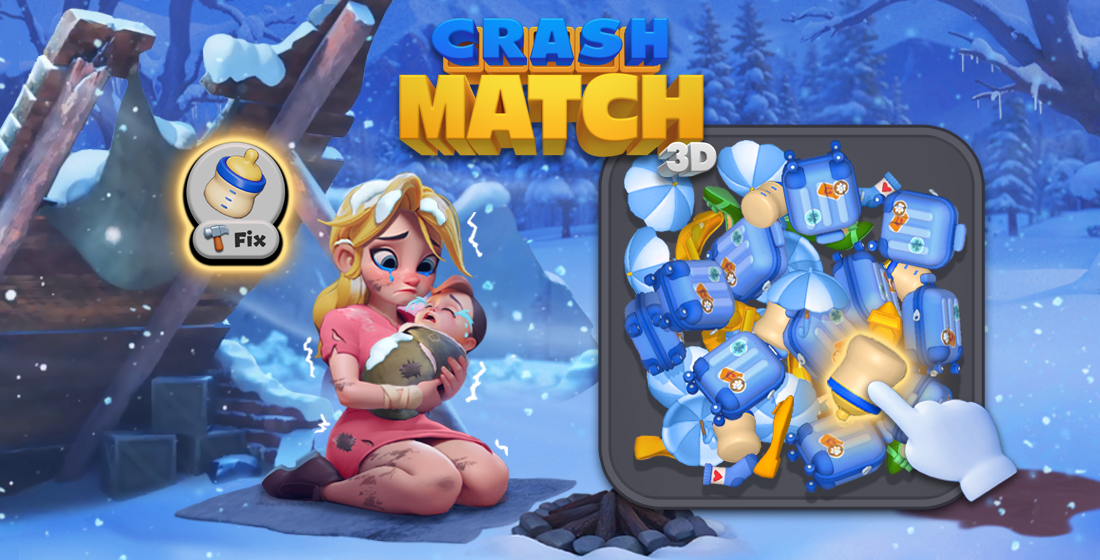
The Rise of Hyper Casual Games
Before we fully embrace the complexity of open world games, it’s essential to understand the hyper casual games. They are characterized by:
- Simple mechanics
- Short play sessions
- Accessibility and instant appeal
This genre became a significant phenomenon as it attracted players looking for quick entertainment without deep investment. However, as players’ expectations grew, the desire for immersive experiences paved the way for more substantial gaming.
What Defines Open World Games?
Open world games present an expansive environment where players can explore freely, tackle challenges at their own pace, and make choices that influence their game progression. Key features include:
- Non-linear gameplay - Players can choose missions in various orders.
- Exploration and discovery - Players wander through rich landscapes filled with secrets.
- Immersive storytelling - Complex narratives that unfold based on player decisions.
Clash of Game Genres: Hyper Casual vs Open World
While hyper casual games focus on quick gratification, open world games demand a commitment to explore and engage. This conflict evokes a notable difference in player engagement:
| Feature | Hyper Casual Games | Open World Games |
|---|---|---|
| Game Duration | Short | Extended |
| Player Freedom | Minimal | Extensive |
| Story Depth | Basic | Complex |
| Engagement Level | Casual | Deep |
The Role of Squad Based Open World RPG Games
As gaming technology advances, squad based open world RPG games have surged in popularity. They combine team dynamics with vast exploration, amplifying the fun factor. These elements not only enhance gameplay but also foster collaboration among players. Titles like “GTA V” and “The Division 2” exemplify successful implementations. Players enjoy the thrill of strategizing with teammates while navigating through a richly crafted world.
Conclusion
The evolution from hyper casual games to open world experiences illustrates a significant shift in what players seek from gaming. With enriched narratives and player freedom that open world games afford, it’s clear they have redefined gaming experiences. The emergence of genres like squad based open world RPG games only furthers this transformation, entrenching players deeper into engaging and immersive worlds. As game developers continue to innovate, the playing field expands, promising even more thrilling experiences for gamers around the globe.